
Device
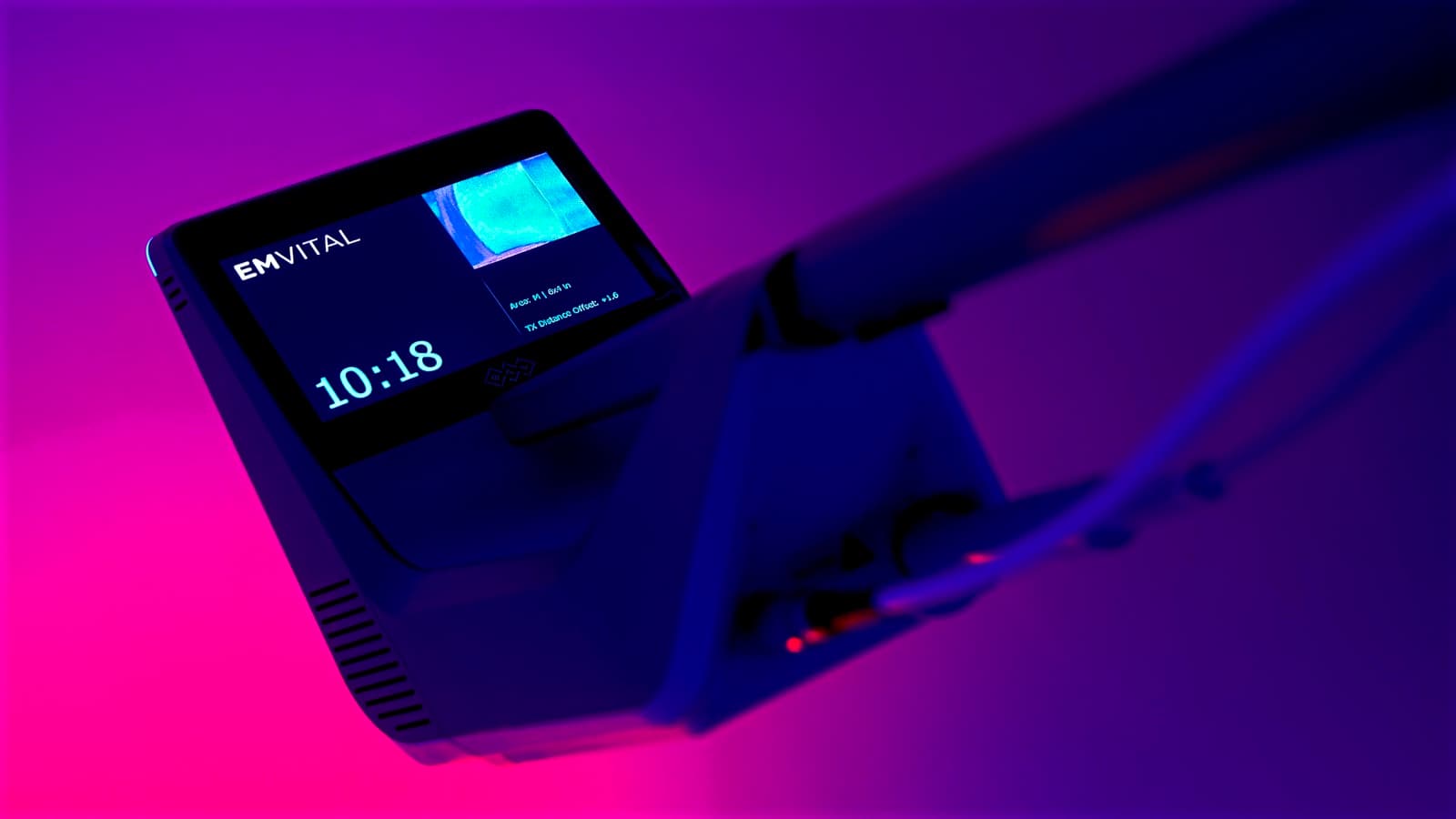
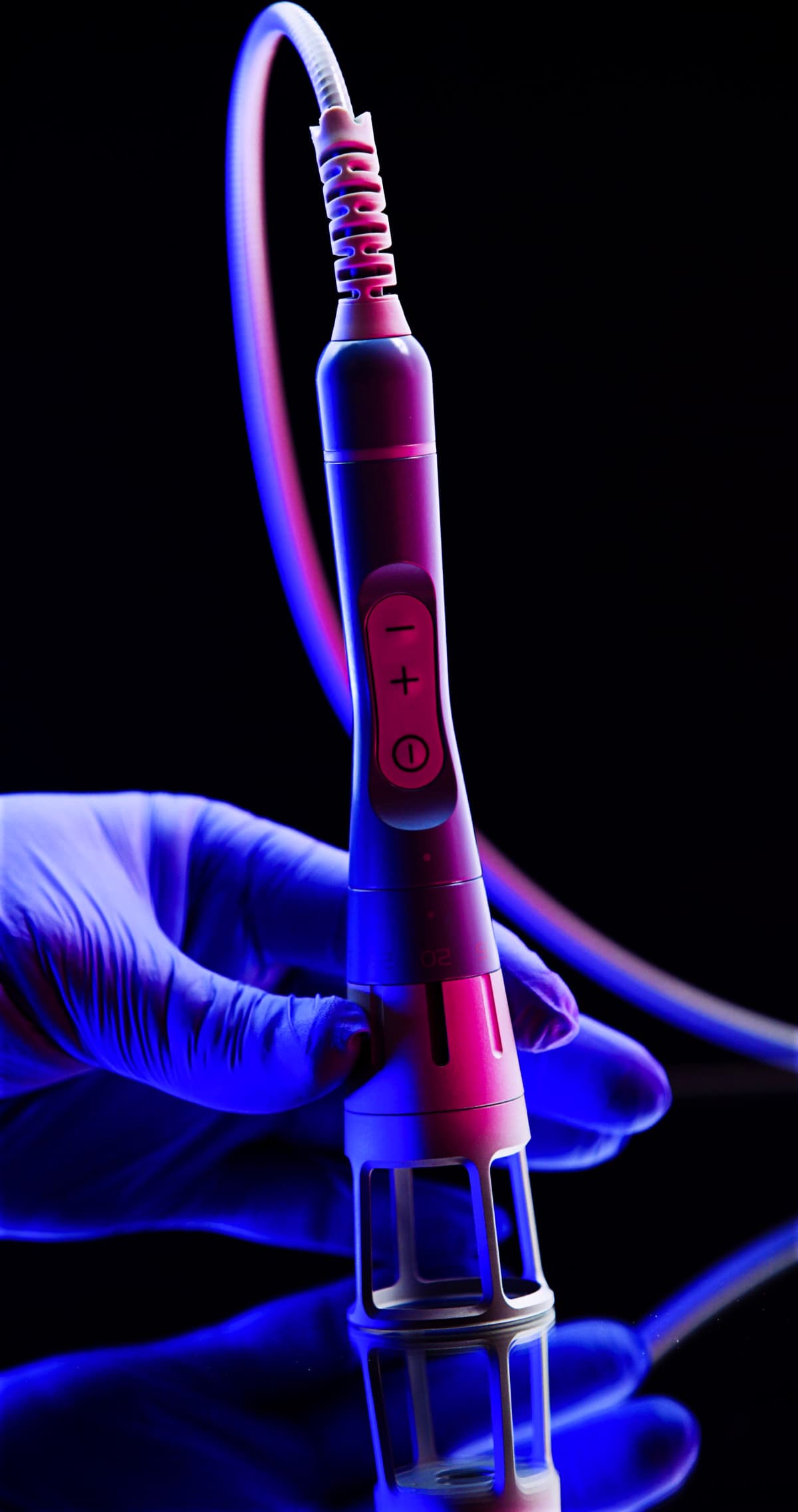
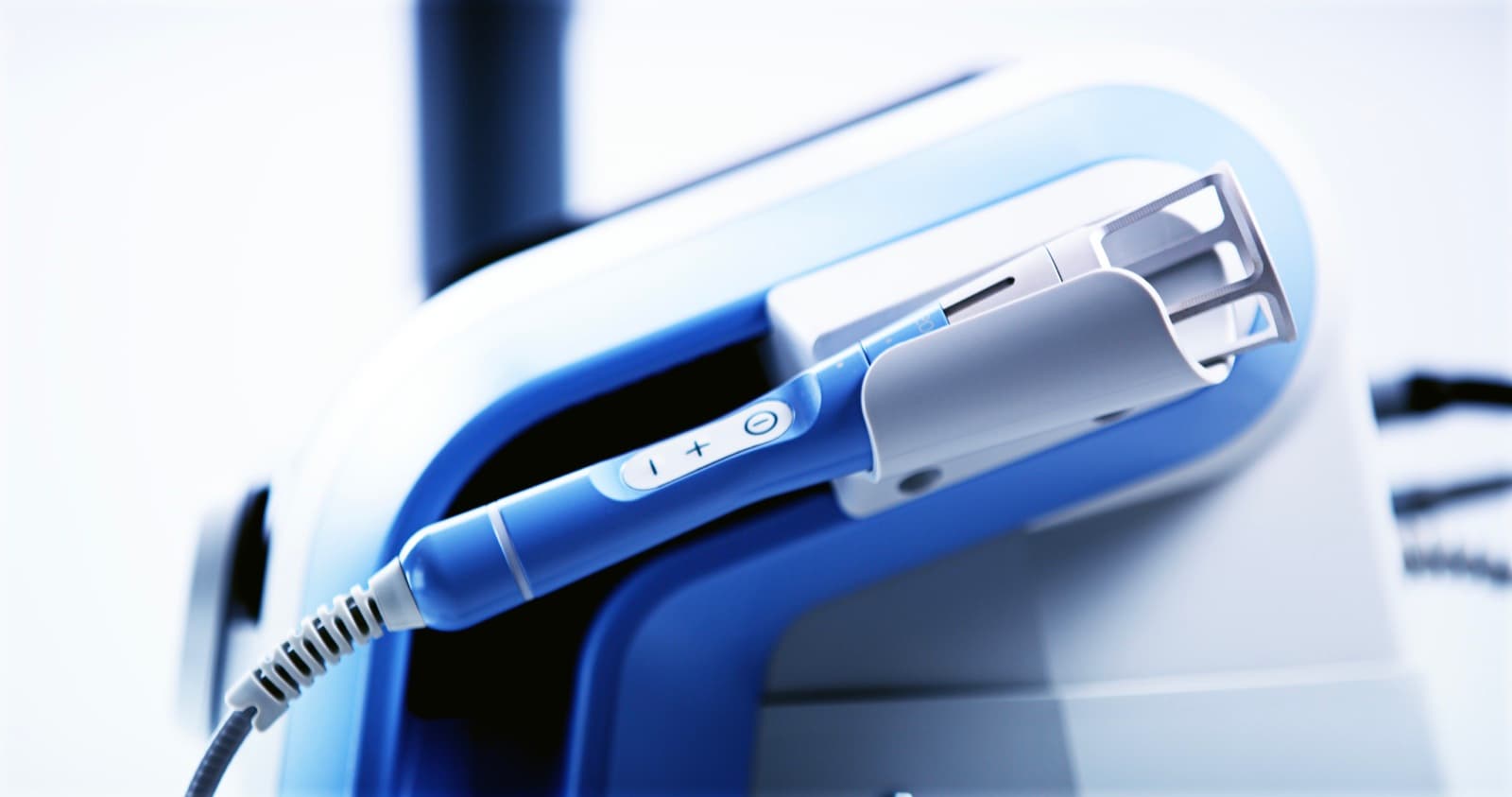
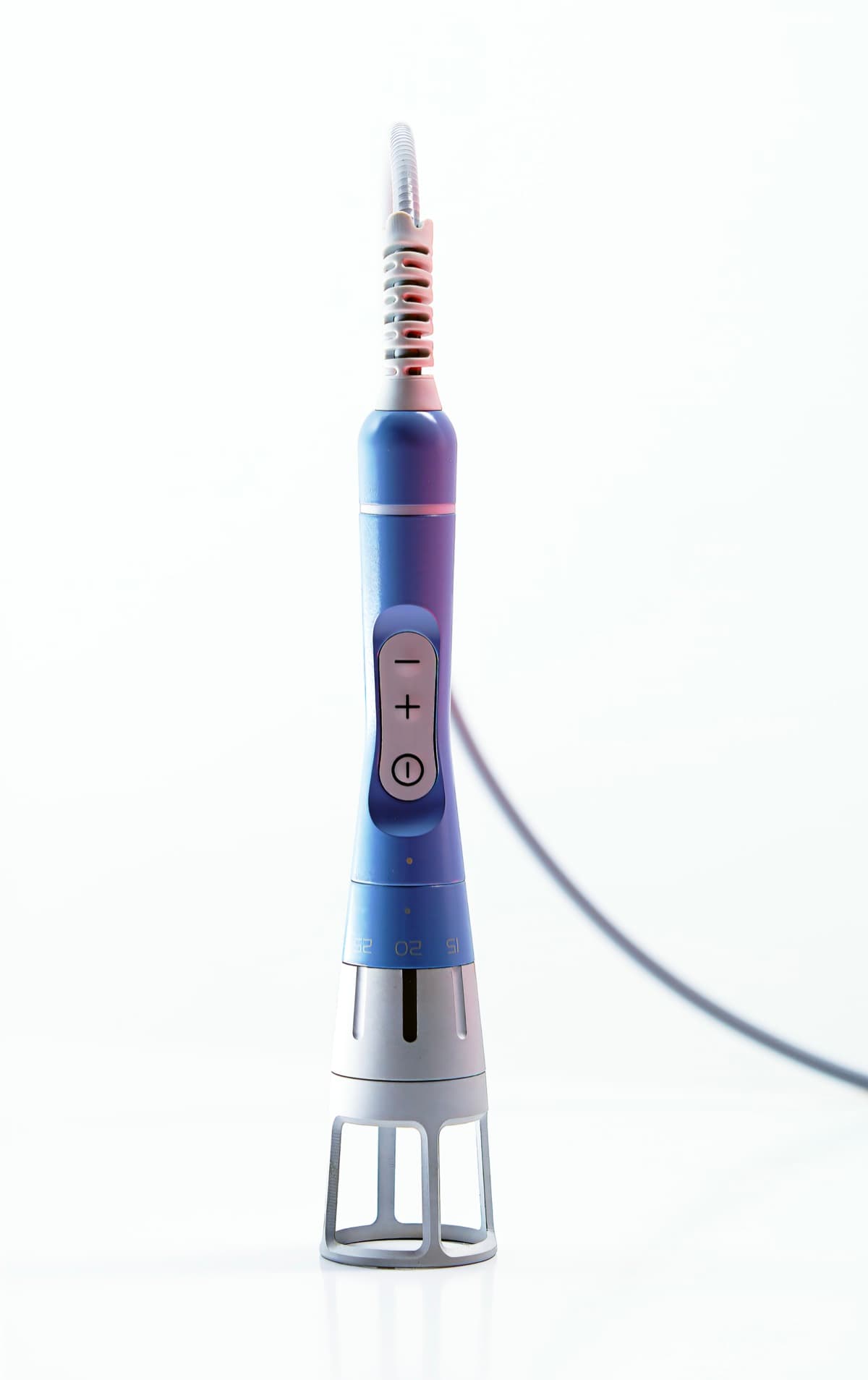
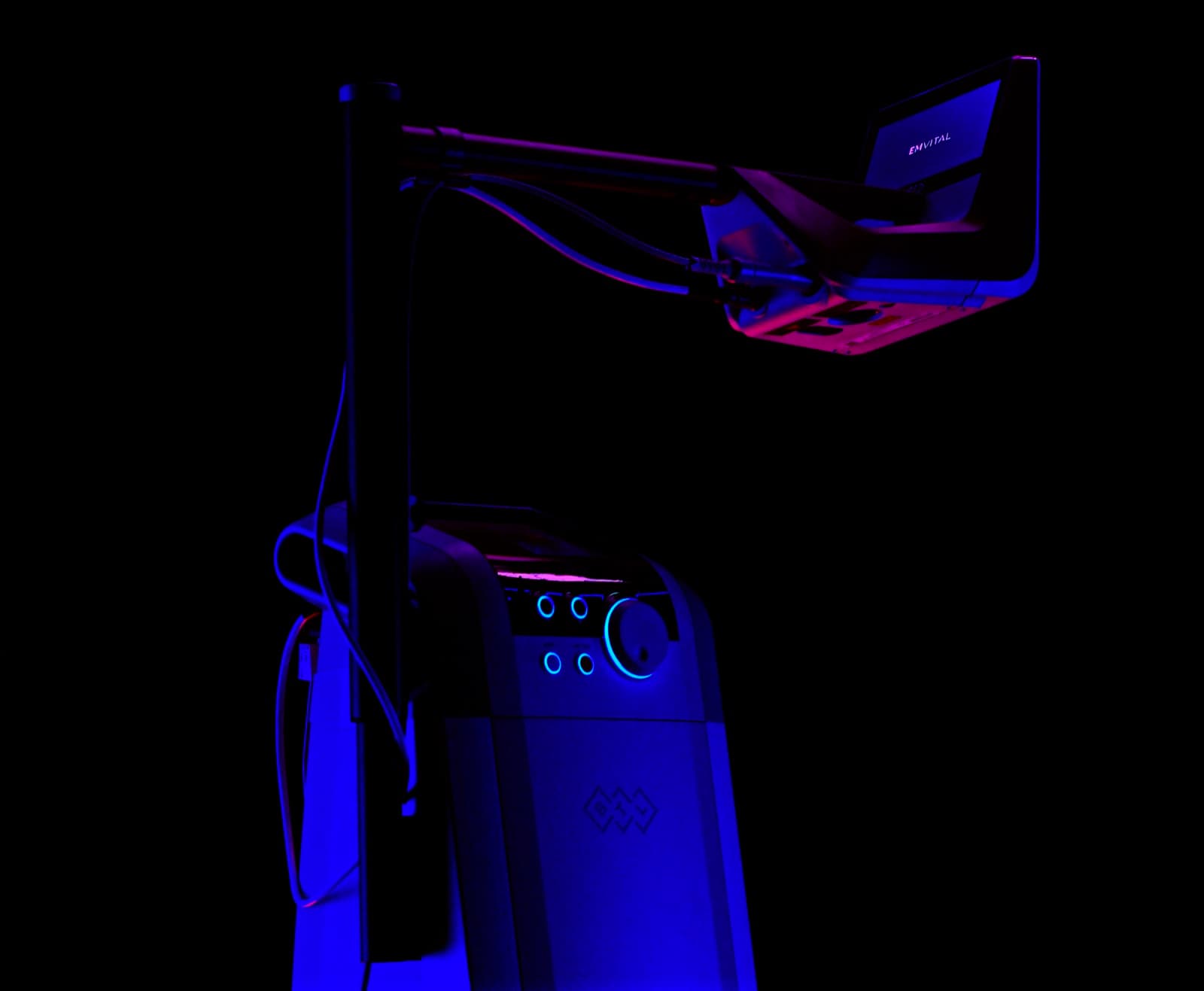
Class-4 therapeutic medical laser1064 + 635 nm photobiomodulation
You wake with a tight jaw. Soreness at the temples, an ache that’s there before the day starts, a clench you can’t seem to put down. We go after the muscle driving it — not the bite first. EMFACE® retrains the jaw muscle and carries the TMD work; the Emvital® laser may help ease the soreness and tension alongside it. Most plans here use both.
Look, the morning soreness, the clench, the temple ache — that’s a muscle working too hard, not a joint that’s broken. If the muscle is locked, no splint is going to teach it to relax. The bite-plate route assumes the joint is the problem. In most patients we see, it isn’t.
EMFACE® brings the muscle back into balance. The Emvital® laser offers temporary relief from the soreness that over-worked muscle has been feeding. Only after both are calm do we look at the occlusion. That’s a different conversation, with a different chance of working.
“The bite isn’t always the problem. We rule the muscle in before we rule the bite out.”— Dr. Irwan Goh
EMFACE® rebalances the muscle and carries the TMD work. The Emvital® laser eases the muscle soreness alongside it. Most cases here use both, because each one supports a different part of the problem.
If a splint, orthodontics, or restorative work belongs in the plan, it lands after the muscle is calm — not before. We don’t paper over a hypertonic system with hardware.
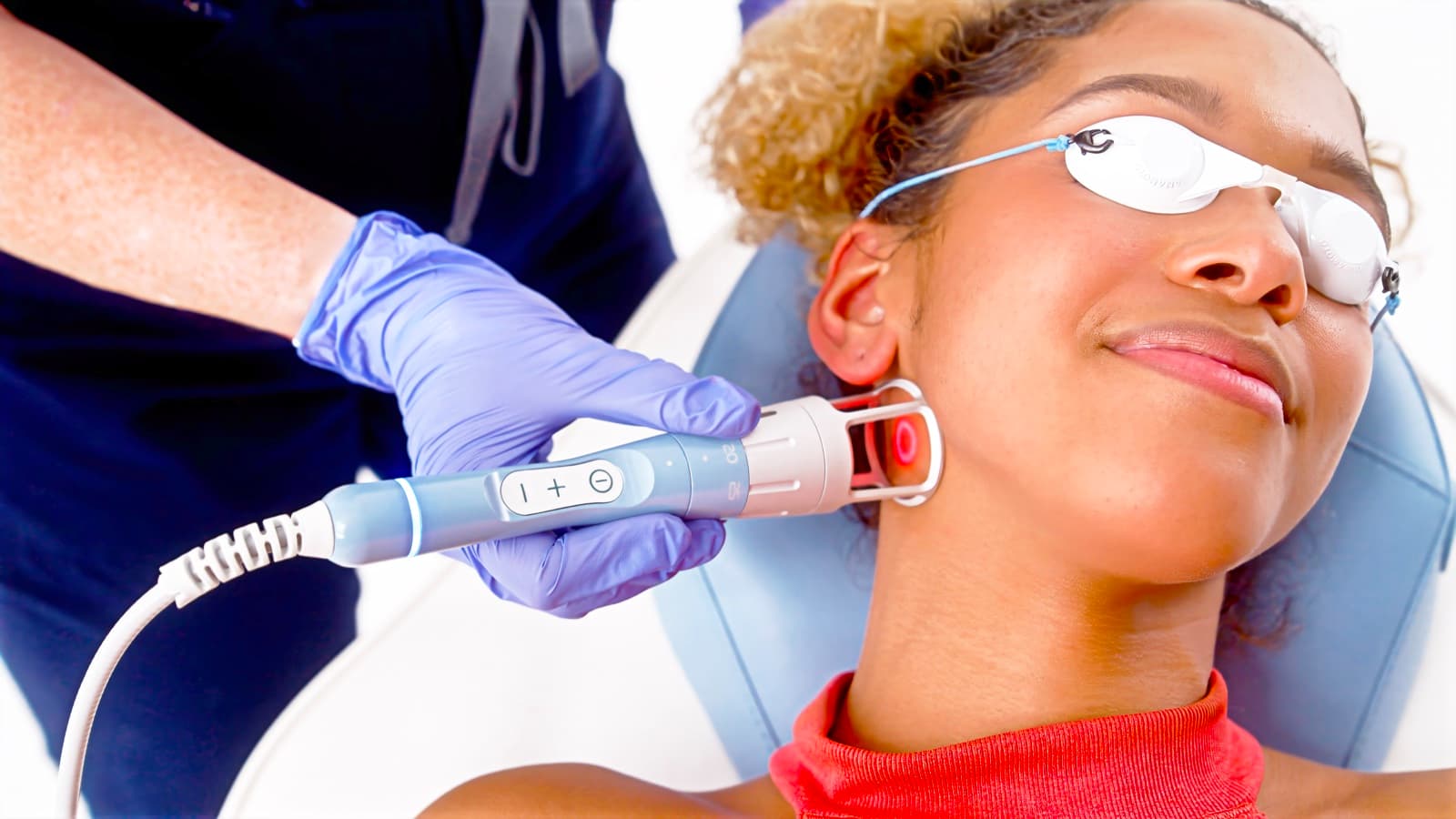
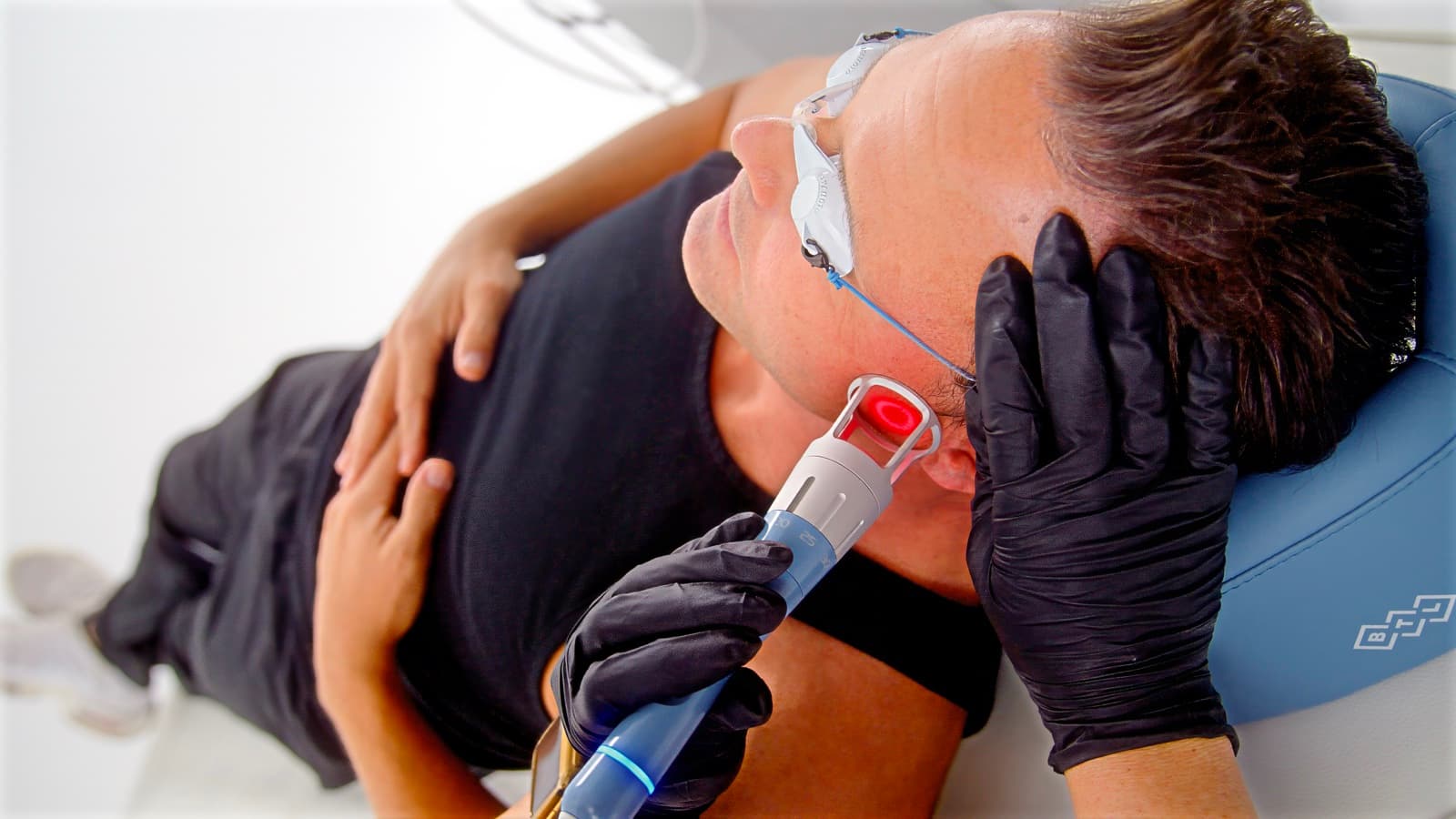
The laser is mild — light warmth at most. The EMFACE® side feels like a deep, rhythmic pulsing as the muscle contracts and releases. Many patients notice morning jaw soreness easing in the early sessions.
Most TMD pain isn’t coming from the joint itself — it’s coming from the muscles around it doing too much, for too long, with too little recovery. EMFACE® carries the TMD work: it retrains the muscle and addresses the jaw joint. The Emvital® laser plays a supporting role — temporary relief for the soreness and tension in those over-worked muscles, plus a nudge to local circulation. Neither one alone is the whole answer.
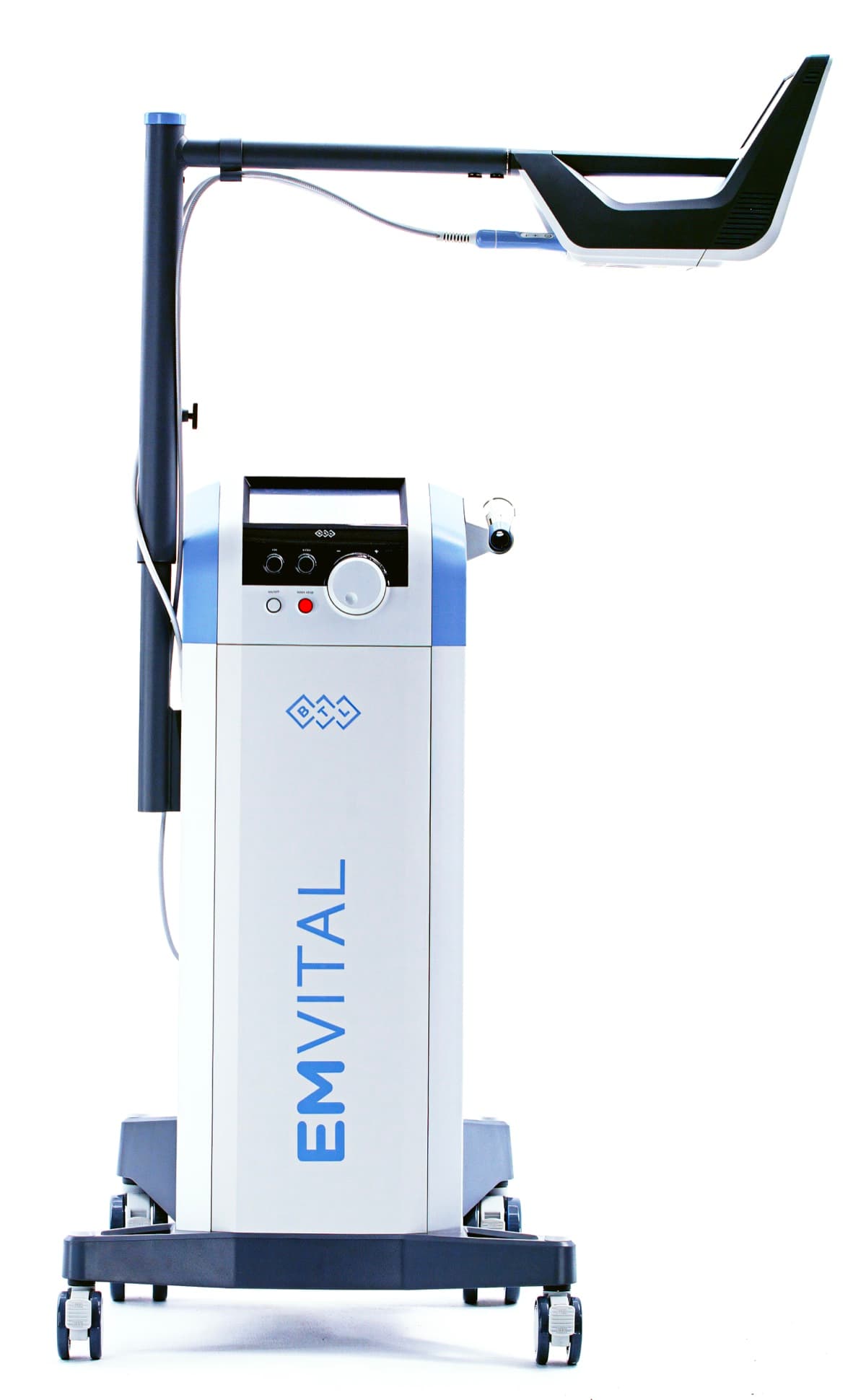
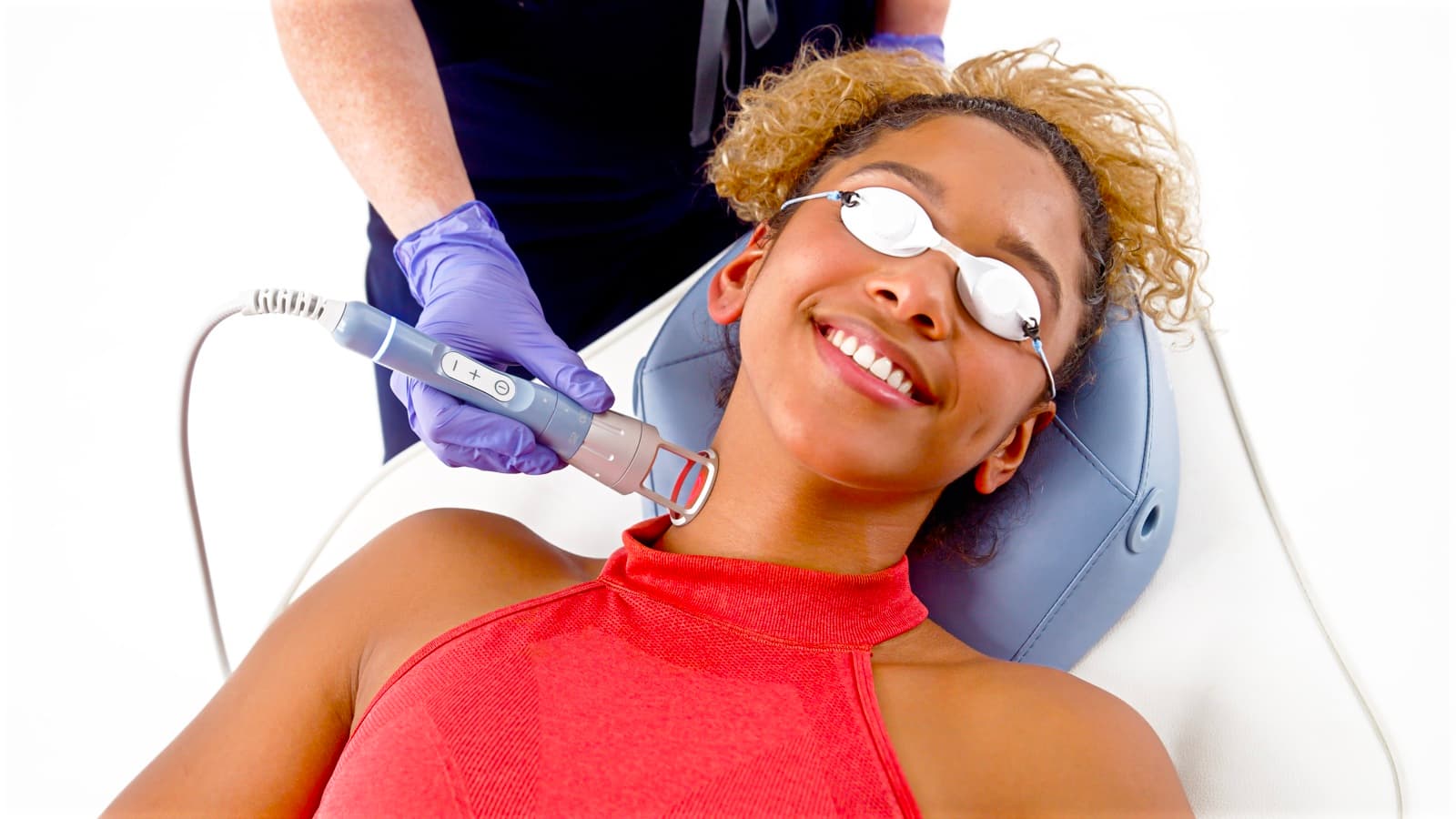
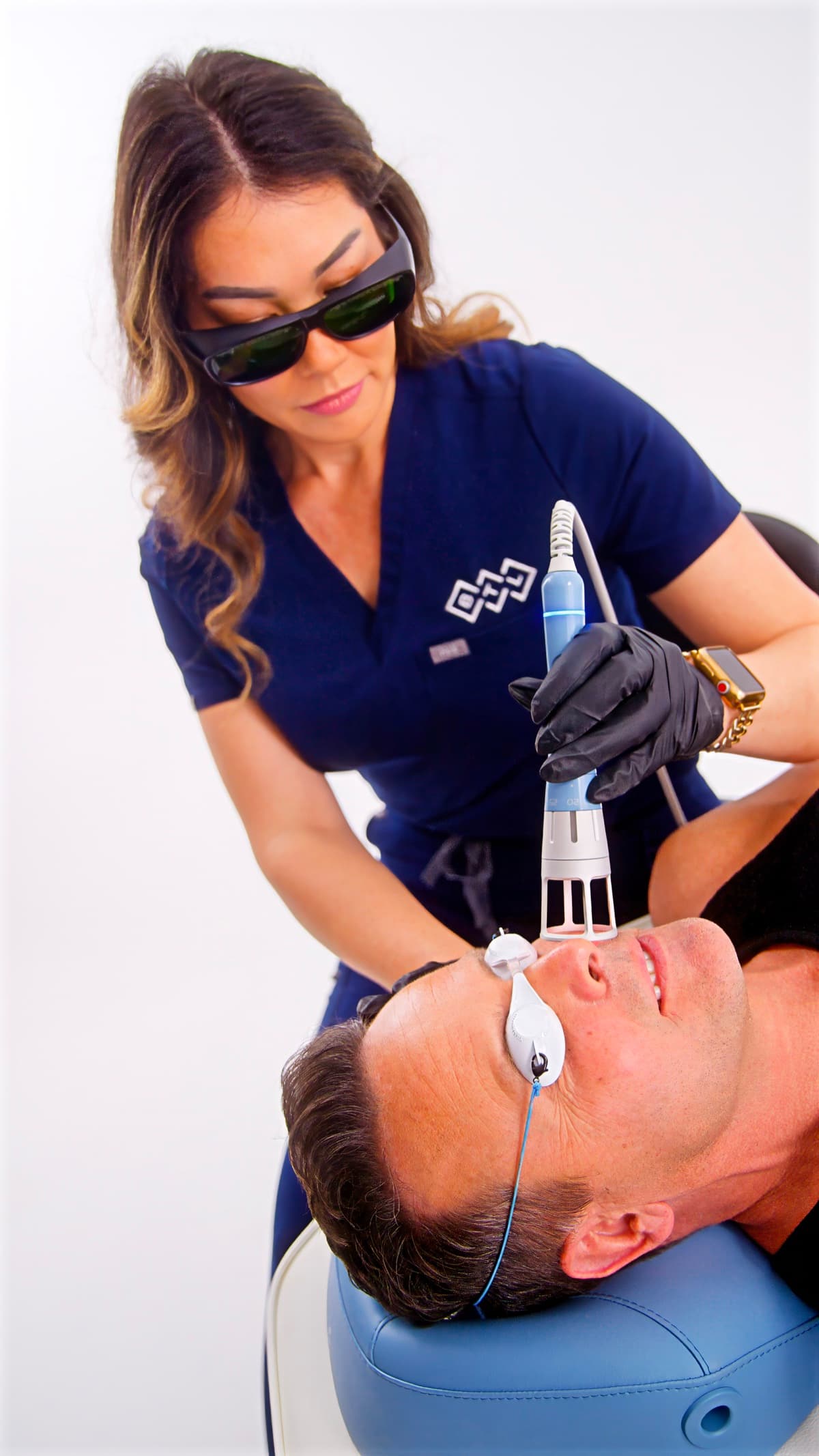
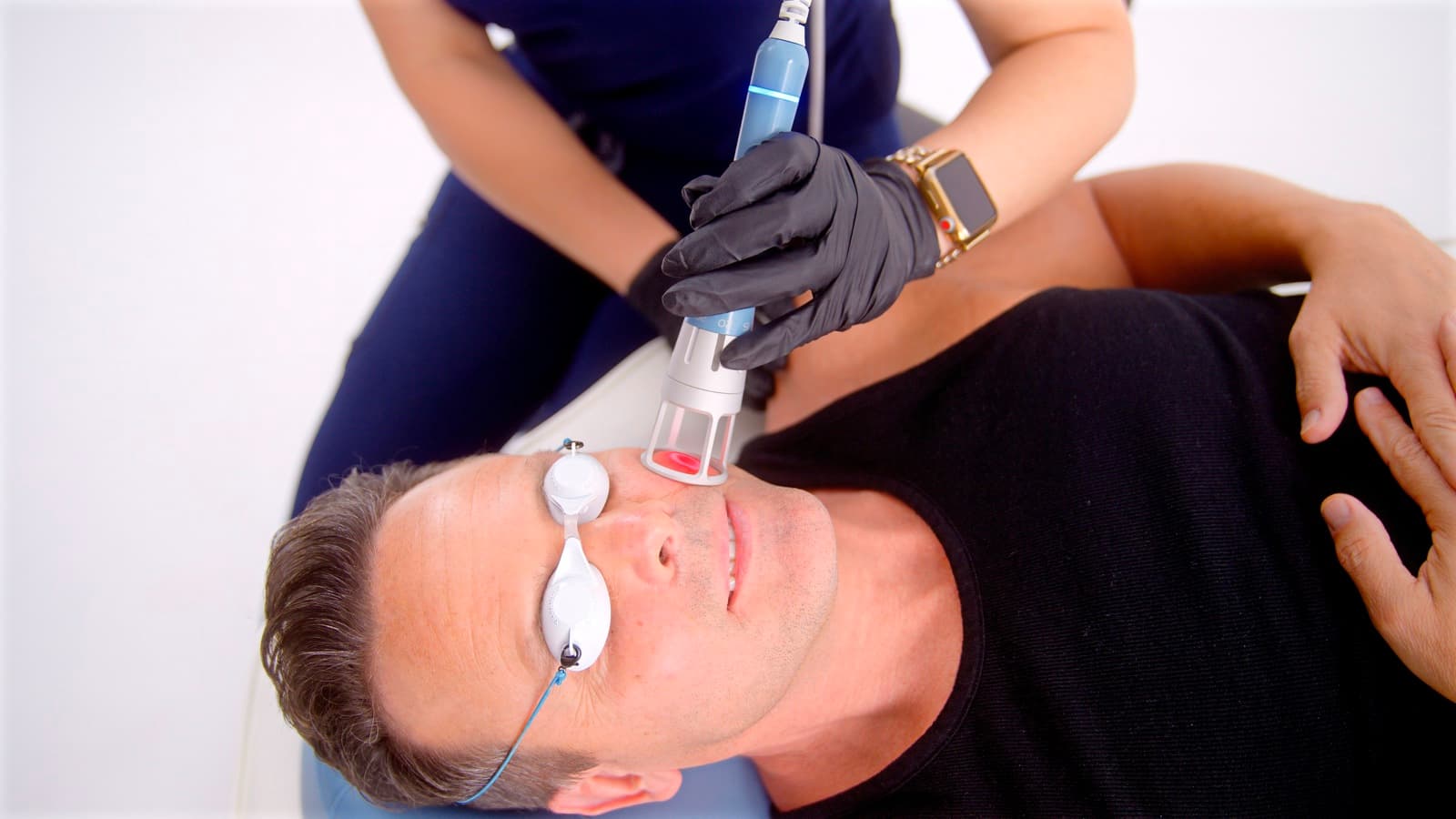
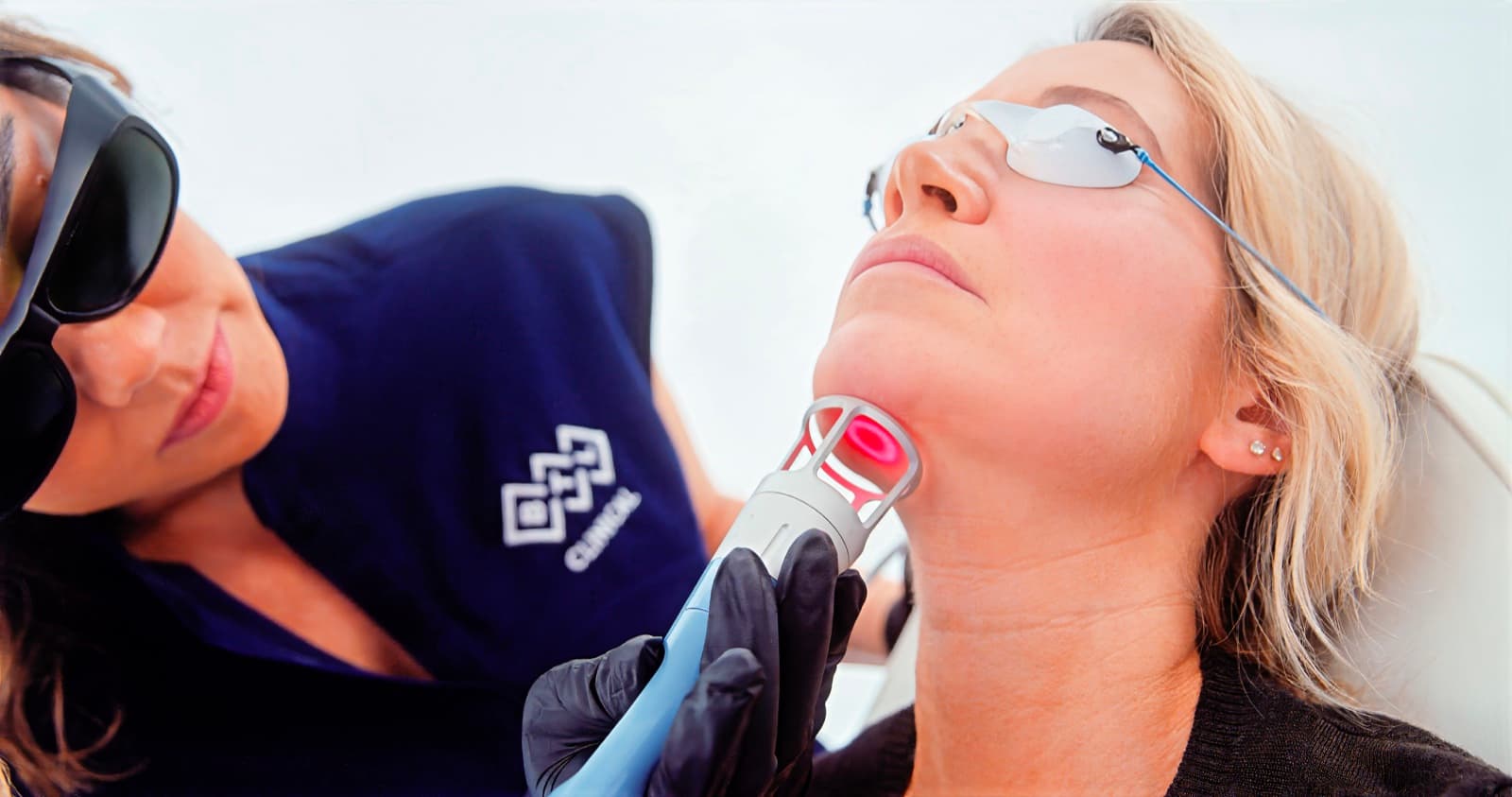
A Class-4 therapeutic medical laser delivers light at two wavelengths deep into the tissue — a process called photobiomodulation. Each session typically runs around 10–20 minutes, contactless or handheld, and is calibrated to your skin type. It may help give temporary relief to the tired muscles around the jaw, easing soreness and tension and encouraging local circulation — gently, without heat that you’d notice.
A separate device — radio-frequency plus high-intensity facial stimulation (HIFES™) — relaxes and retrains the masticatory muscles that have been over-recruited for years. This is the structural half of the plan.
EMFACE® retrains the muscle and carries the TMD work; the Emvital® laser eases the muscle soreness alongside it. They support different parts of the same problem, which is why most plans here use both rather than one.
The TMD plan here is a measured course — not a series of indefinite sessions. We baseline, treat with both devices, re-measure, then decide whether to maintain or escalate.
A TMD-focused exam — palpation of masseter, temporalis, and pterygoids; range-of-motion measurements; surface EMG if useful; CBCT review if it's clinically warranted.
Visit 01EMFACE® works the jaw muscles directly — four sessions per zone, spaced two to fourteen days apart. It relaxes and retrains the jaw muscles that have been over-recruited for years.
EMFACE® · 04 sessionsThe Emvital® laser supports the muscle side — therapeutic light delivered to the same region, used here for temporary relief of muscle soreness and stiffness and to encourage local circulation. Where it fits, we run it as a short series alongside the muscle work.
Emvital® · short seriesWe re-measure jaw range, pressure tolerance, and the morning symptom log. If the muscle is calm, we move on. For severe joint involvement, we co-manage with a TMJ specialist — these devices are part of the plan, not the whole plan.
After the series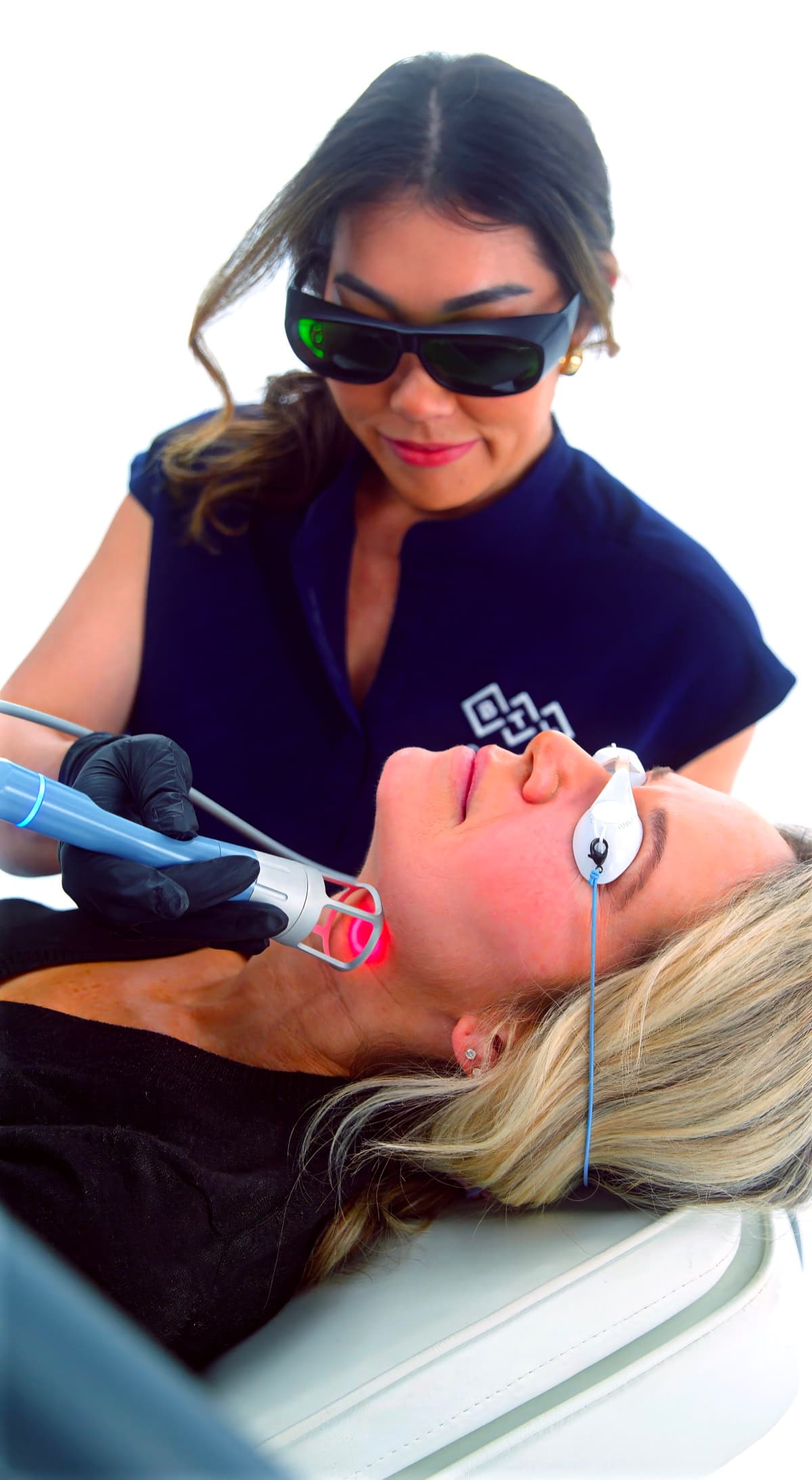
This two-device approach works well for most muscle-driven jaw pain. Not every case. We’ll tell you honestly when it isn’t the right path.
We don’t publish a flat fee — the right entry depends on what we find at evaluation. Every consult ends with a written, itemised quote. CareCredit, Cherry, LendingPoint, Sunbit, and our BoomCloud in-house savings plan available.
Feel the laser before committing to anything more. Includes the evaluation and a single treatment.
Where most patients land — the muscle retraining and the muscle-relief work together. EMFACE® carries the TMD work, the Emvital® laser eases the soreness alongside it, then a structured re-evaluation.
For patients whose plan calls for the muscle-relief work on its own, or as an add-on to muscle therapy already underway.
Emvital® is a therapeutic laser and EMFACE® is a wellness device, both used here in a dental context as part of TMD care. They aren’t a replacement for diagnosis and treatment of acute joint pathology — we refer for that.
Twenty unhurried minutes — palpation, range-of-motion, a careful conversation about how your jaw feels in the morning. No commitment to start the course.
facial rejuvenation, jaw & TMJ